
Impossible Inventions
Music full of youthful brilliance and optimism opens our season: we celebrate the music of the new generation through our Pathways Program, alongside Mendelssohn’s beautiful E-flat major quartet and music from Paul Novak, the winner of Left Coast’s 2025 composition contest.
Join us 30 minutes before each concert for a Pre-Concert Talk featuring our Pathways Program composers! All ticket holders are invited to attend.
Program includes:
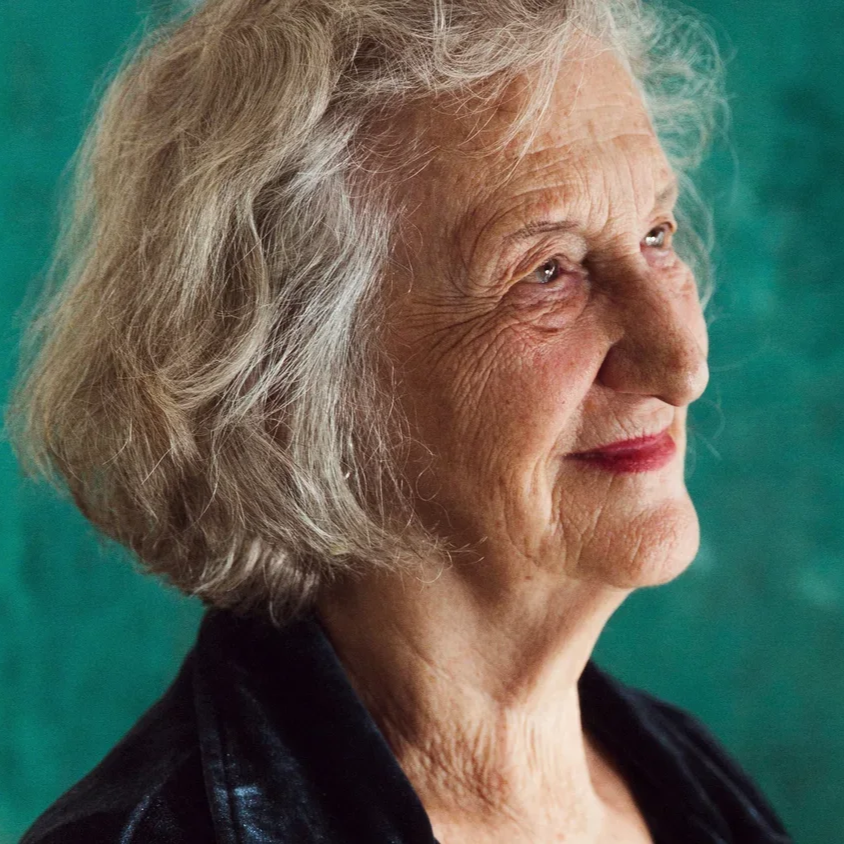
Thea Musgrave - In the Still of the Night
Paul Novak - impossible inventions (2025 Composition Contest Winner)
Felix Mendelssohn - String Quartet No. 1 in E-flat major, Op. 12
Plus world premieres from our Pathways Program emerging composers:
Namratha V. Kasalanati - Sisters
Alexander Reams - Two Prayers from a Rainbow-Touched Soul
Alyse Murray - prelude & echolations
Justin Trujillo - Iguana En La Sombra
Artists
Stacey Pelinka, flute
Anna Presler, violin
Phyllis Kamrin, viola
Leighton Fong, cello
Michel Taddei, double bass
Chase Spruill, violin (guest artist)
Meet the composers



-
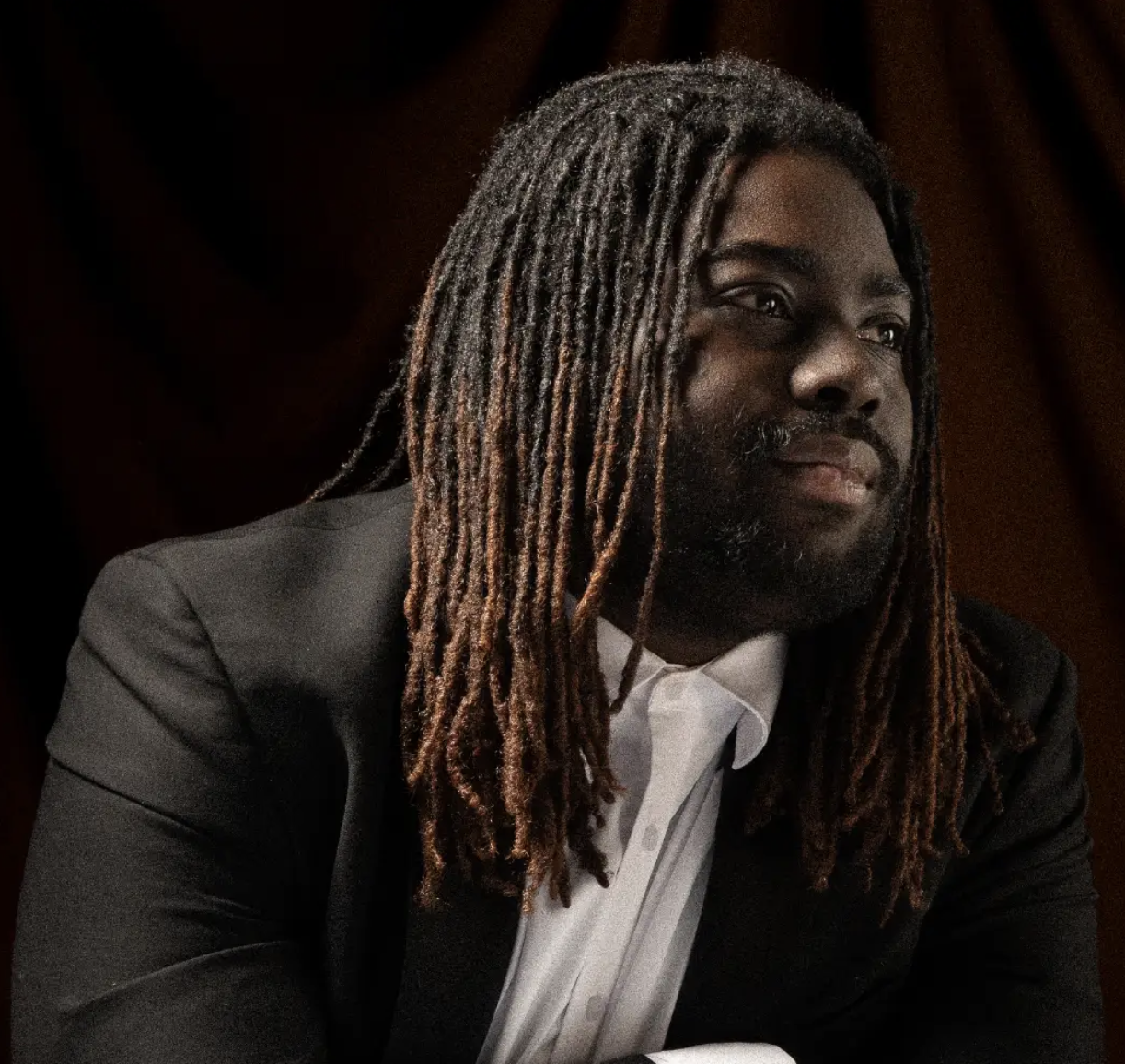
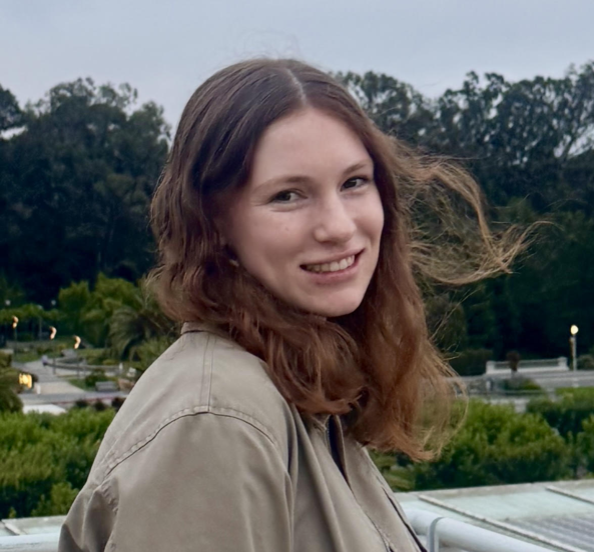
Paul Novak - impossible inventions
impossible inventions (2024) makes the string quartet defy the laws of physics. Structured in four interlocking movements without pause, this piece takes its inspiration from hypothetical technologies envisioned in science fiction, reimagining the quartet as a series of fantastical machines. The first movement, the most substantial of the four, imagines a spacecraft hurtling at an extraordinary speed. The second and third movements are shorter interludes which conjures churning clockwork with pizzicati and the weightlessness of space with shimmering natural harmonics. The final movement transforms the viola in a robot falling in love, accompanied by a lyrical, gentle dance. The “inventions” of the title have a double meaning, referring to both the wondrous sci-fi machines and to the piece’s swirling contrapuntal writing reminiscent of Bach. — Paul Novak
Namratha V. Kasalanati - Sisters
Our siblings are often the longest relationships of our lives. Yet, in a world of love songs, it can feel like the most overlooked relationship as well. I’m lucky that my sister is my best friend. My first memories are of her tiny feet when she was born. I tracked them with fascination, watching them grow unbelievably fast until they eventually grew bigger than mine. Living on a busy street, we mostly played together in our backyard, imagining whole worlds and galloping our pretend-horses on the bright spring-dewy grass. At night, we stayed up way too late discussing our favorite books and school and friends. We got into fights at times, mostly petty grievances, but sometimes deep-rooted ideological debates. Even if the fight was long and spirited, our parents insisted that we never walk away from each other without resolving the tension.
After four years away at college, I came back to find my sister had grown up from a child into an adult. If people ask me her age, my knee-jerk reply is still “twelve”, but along the way, I had missed the stories of manipulative tennis girls, the day-to-day stresses of college applications, the late night rehearsals before the musical. Of course, I think I know her better than anyone, but at the same time, I find myself constantly surprised by her talent, maturity, and individuality. As we transition into a new phase of life—her to college, me to work—I find myself unbelievably excited to get to know her in a new way, and be sisters and grownups together. — Namratha V. Kasalanati
Alexander Reams - Two Prayers from a Rainbow-Touched Soul
In the initial stages of composing Two Prayers From A Rainbow-Touched Soul, I was coming out of a rough season marked by being torn between different identities and states of mind. Trying to compose at this stage turned into a debate on what my sound should or not be. It was then I returned to a place where I am able to let the mind roam free: prayer and meditation. At the same time I started researching and learned about Oxumaré, the rainbow serpent. In Cuban Santería, Oxumaré , which translates to 'rainbow' in Yoruba, is a deity that represents transformation, fortune and also, androgynous, existing as both masculine and feminine. For Oxumaré, all their identities were just shades of their whole being, equal and complementary to each other. It was through this lens that guided my path to conceptualizing the piece about meditating and exultation.
With Santeria being birthed within Afro-Cuban culture, I took inspiration from Afro-Cuban music by incorporating sections where the instruments are melodically playing as duos, calling and responding to each other. The most recognizable influence from Santería is through the percussion section in the second movement through me listening to many recordings of akpwon (sacred ritual leaders) calling out and members responding. This can be seen with the cellist strumming like a guitar and the bassist playing as if they are a djembe playing. The flute and violin then take turns switching between the call and the response.The piece is divided into two movements, directly inspired how I approach prayer in my own spiritual walk to release all my thoughts, feelings, pains, and joys out from my mind and soul. With 'A Prayer of Meditation', the circular form of the movement take starts slow in the beginning, which symbolizing me unmasking and starting to let my emotions flow. During this stage, I am processing turmoil and sadness in my heart and balancing the world's and my thoughts equally, seen through the push and pull of the tempo and harmony. As this stage of prayer ends, my spirits start to be lifted in a praise and love, which leads in 'A Prayer of Exultation'. The final movement's spirited and joyful nature comes from the joy of feeling the shades of me blend altogether into the rainbow of my soul. The excitement shown with the call-and-response with the cello and double bass in playful call-and-response. The percussion section is the love and joy of blessings in life in spite of how the world tries to push and pull me apart. As the piece heads to the end, that is when I pray for other safety, communicate how much I care about them, how much of an impact they made on my life. As I reach the end of my prayer, I find resolution, rejuvenation, and tranquility, as represented in the piece's final chord and fade out. — Alexander Reams
Alyse Murray - prelude & echolations
prelude & echolations is a chamber piece for flute (with doublings), violin, violoncello, and contrabass, set in two movements. The different textures, oscillations, and instrumental dialogues result in a fitting portmanteau title of “echolocation” and “oscillations.” The first short movement, prelude, acts as foreshadowing to techniques and sections in the large second movement, echolations. The sparse notes and emptiness are light and free, contrasted by the long held notes in the bass flute. The next movement holds onto this feeling of contrasted heaviness through long busy oscillations in the strings, accompanied by drones in the bass flute, a quick callback to the previous movement before changing material. Each section is characterized by its tonal center, which is shifted in a quintal pattern as the piece progresses with distinctive sections. prelude & echolations is a musical exploration of the great underwater depths and how they change when approaching the surface. — Alyse Murray
Justin Trujillo - Iguana En La Sombra
Iguana En La Sombra (Iguana in the Shade) is an image I have related to for as long as I can remember. Iguanas, as cold-blooded animals, cannot remain in the sun indefinitely; they must retreat to the shade to regulate their body temperature.
Growing up as an introvert, I found myself doing much the same. I could only spend so much time in loud, bustling environments before needing to withdraw into quieter spaces. These quiet spaces were often difficult to find in the environments I grew up in.
In my Mexican family, parties were constant and central to community. Birthdays, baptisms, first communions, and just about anything else was worthy of throwing a party over. While these gatherings were meaningful, they were also often overwhelming: filled with loud music, people drinking, and lasting until the early morning. As a child, I did not yet have the language to understand why I felt out of place, only that I did. Over time, I began to associate this discomfort with my cultural identity itself.
Looking back, I recognize that this feeling came not from a rejection of my culture, but from a more complex experience of identity, belonging, and self-understanding. Today, I am proud of my heritage and all the beautiful things I have learned about my culture. Over the past couple years, I have begun to explore the world of Latin American music and all the different styles and genres. Connecting music, a world I have always felt comfortable and welcome in to my culture has been an immensely healing process.
Iguana En La Sombra explores these themes in three-movements. Each movement is based on and titled after a Oaxacan folk song.
“Dios Nunca Muere”
“Flor De Piña”
“Canción Mixteca”
— Justin Trujillo
Felix Mendelssohn - String Quartet No. 1 in E-flat major, Op. 12
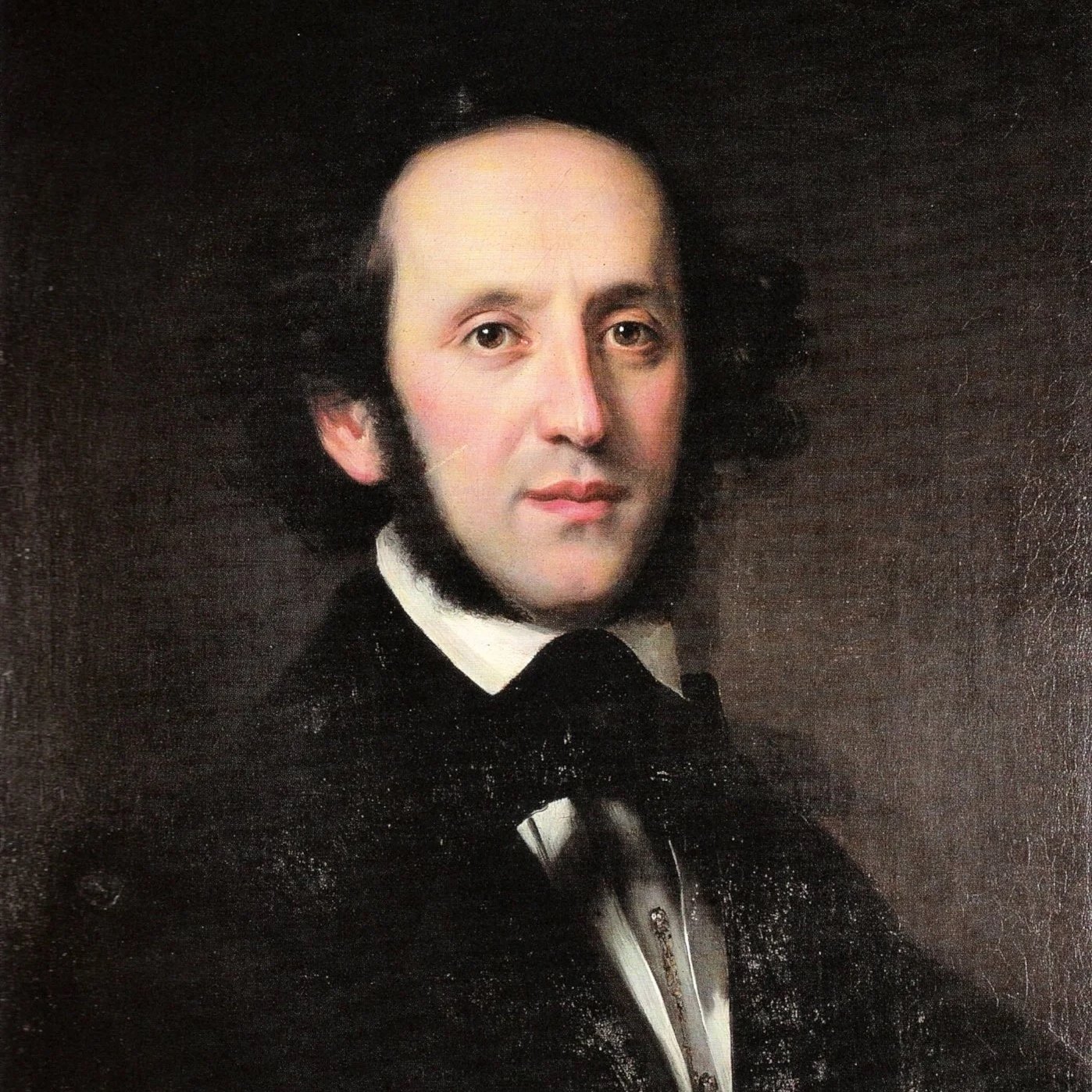
Felix Mendelssohn (1809–1847) was barely a teenager when he began making a significant impact in the world of instrumental music. Born in Hamburg, Germany, into an intellectual and musical family, Mendelssohn received extensive training in piano performance and music theory from an early age, publishing his first piano quartet at the age of fourteen and composing his first symphony for full orchestra at fifteen. Shaped in part by the music of Johann Sebastian Bach, Wolfgang Amadeus Mozart, and Ludwig van Beethoven, Mendelssohn’s musical development was further influenced by his older sister Fanny Mendelssohn, who was also a gifted composer. Precocious and prolific, Mendelssohn composed his famous Overture to A Midsummer Night’s Dream, conducted the Berlin Singakademie in a performance of Bach’s monumental St. Matthew Passion, and completed his renowned String Quartet No. 1 in E-flat major, Op. 12 — all by the age of twenty.
Composed in 1829, the String Quartet No. 1 in E-flat major, Op. 12, is both rooted in the technical discipline of Mendelssohn’s Classical predecessors and animated by his own imaginative, youthful energy. The work opens with Adagio non troppo – Allegro non tardante, whose expressive tenderness quickly gives way to bursts of rhythmic and contrapuntal energy. Melodies flow seamlessly between the instruments in a multilayered exchange, and the ensemble almost seems to breathe as one as it navigates swift changes in dynamics. The second movement, Canzonetta: Allegretto, follows with staccato articulation and frequent pizzicato contributing to a light, somewhat humorous character distinct from the first movement. A sudden, rapid passage marks the middle of the second movement before the original, leisurely theme returns. The third movement, Andante espressivo, anchors the piece emotionally, its quiet and contemplative atmosphere bringing out the warmth of the strings as they share and reinforce some of the piece’s most lyrical melodies. At once restrained and poignant, Andante espressivo provides an evocative respite following the brisk energy of the prior movement. This energy returns in full as the quartet embarks on its final movement, Molto allegro e vivace. Despite the music’s technical precision, an air of spontaneity emerges through frequent transitions between virtuosic, rapid passages and more restful sections. The music slows once more, and the work concludes with the same thoughtful tenderness with which it began, even echoing some of the musical material that appeared in the first movement. Just as gracefully as it balances the music’s contrasting energies, the quartet reveals the powerful synthesis of Classical discipline and youthful imagination that characterized Mendelssohn’s early works. — Emily Thomas
-
-
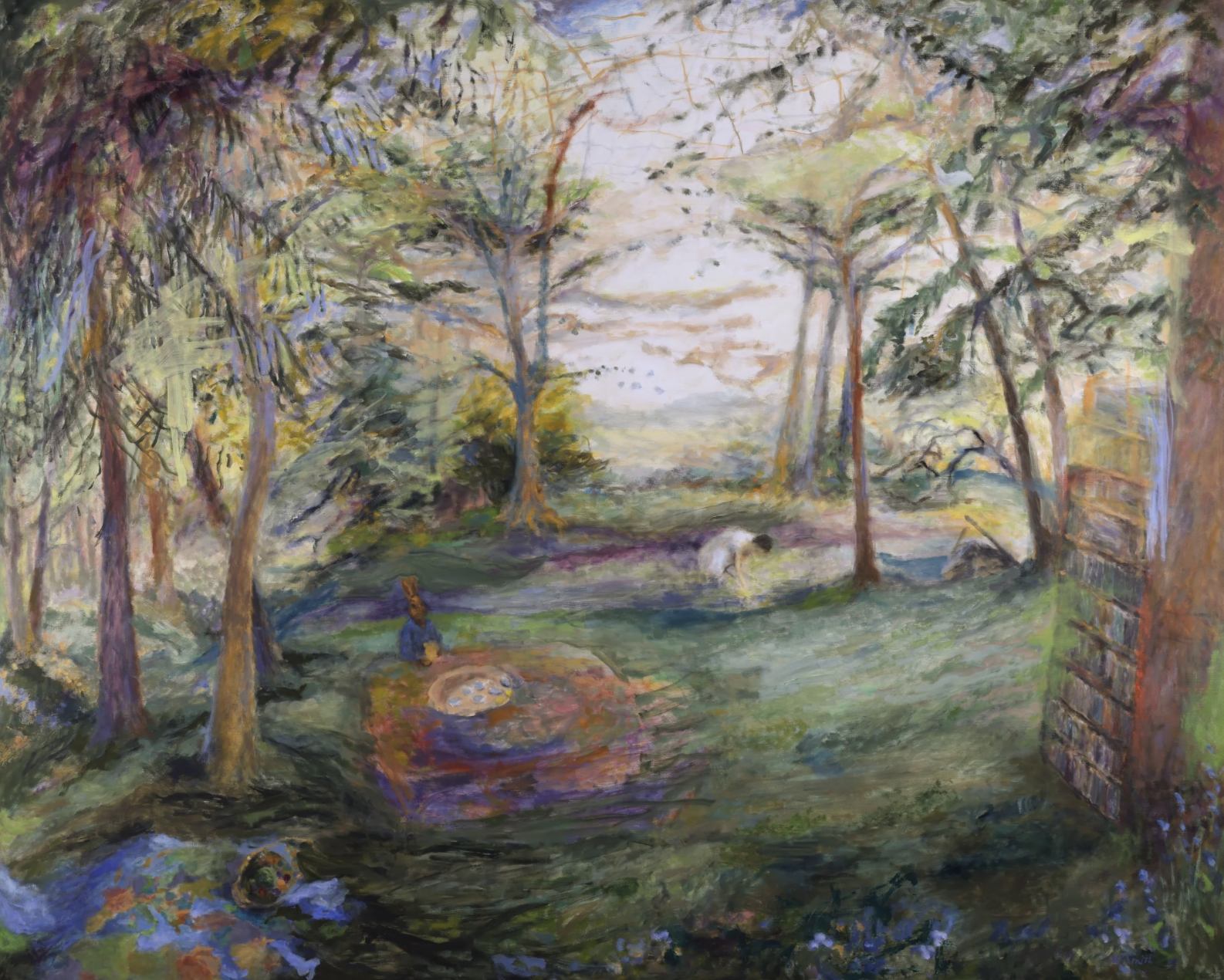
Image credit: Copyright Sally K. Smith, used by permission of Artist. The banner image is a detail of The Painter Wife.
Saturday, September 19, 2026, 7:30 PM
Noe Valley Ministry
1021 Sanchez Street
San Francisco, CA 94114
Sunday, September 20, 2026, 4:00 PM
Berkeley Piano Club
2724 Haste Street
Berkeley, CA 94704