

Mozart Clarinet Quintet
A paean to all the many different personalities of the clarinet, this program sets Mozart’s quintet, written for his dear friend Anton Stadler, alongside a new quintet written specially for Left Coast clarinetist Jerome Simas by his friend and fellow clarinetist, Jonathan Russell.
Program includes:
Thea Musgrave - Threnody
Wolfgang Amadeus Mozart - Clarinet Quintet, K. 581
Jonathan Russell - Quintet for Clarinet and Strings (West Coast Premiere)*
Artists
Jerome Simas, clarinet
Anna Presler, violin
Liana Bérubé, violin
Phyllis Kamrin, viola
Tanya Tomkins, cello
Allegra Chapman, piano
*Co-Commissioned by the Radius Ensemble and the Kaleidoscope Chamber Orchestra
Meet the composers
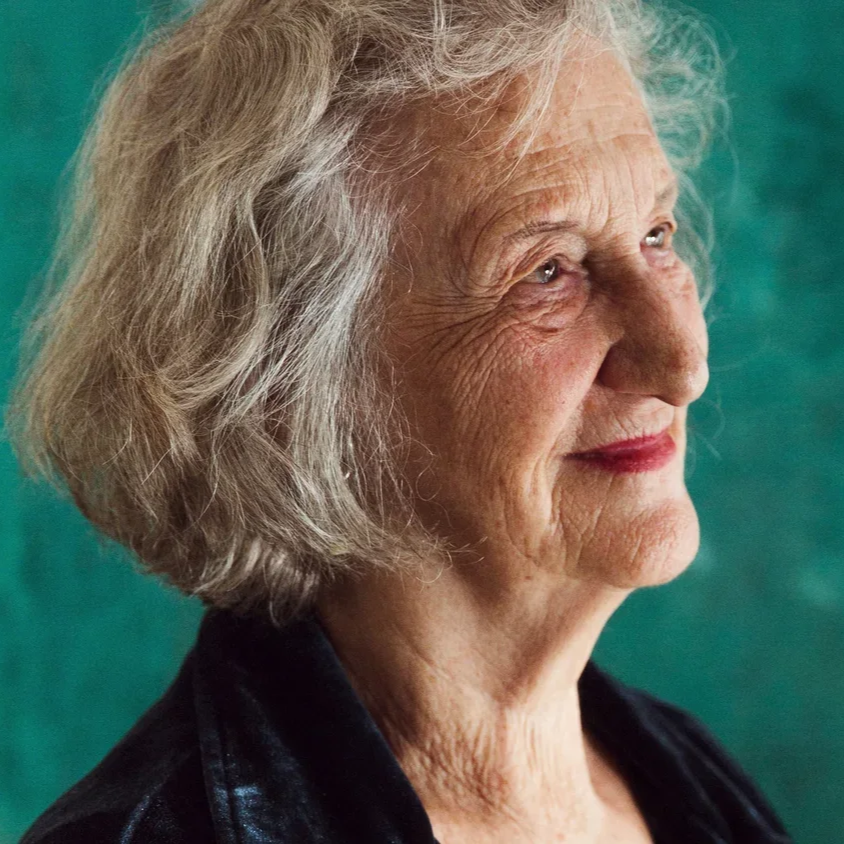

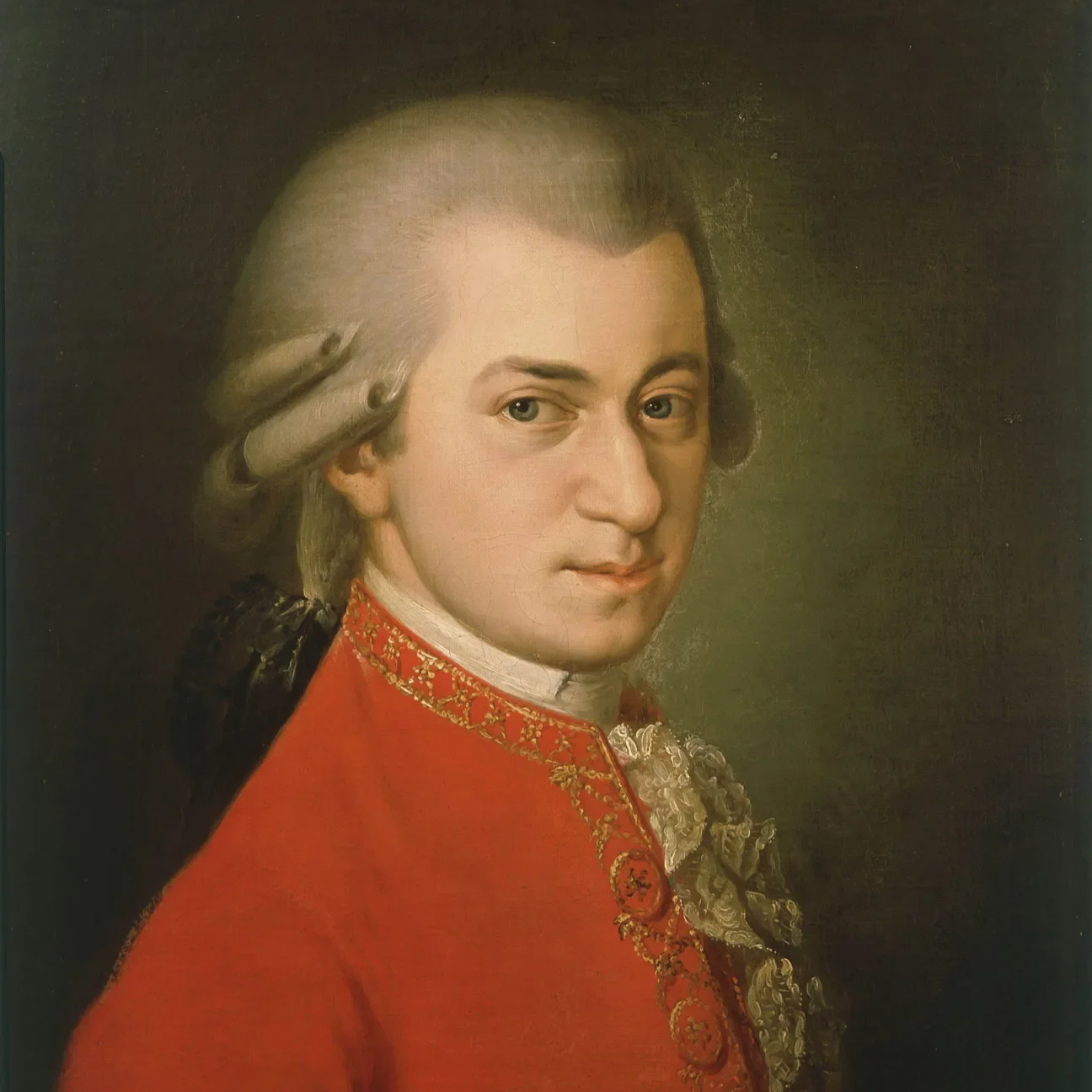
-
Thea Musgrave - Threnody (1997)
This work is about the powerful emotions engendered by loss. The famous medieval chant "Dies Irae" about the Day of Judgement is used as a foundation of the work. This chant is incorporated into a series of chords played extremely slowly by the piano (these chords are actually taken from the composer's setting of a poem by Georg Trakl in her Wild Winter): thus the three sections of Threnody correspond to the three lines of one verse of the medieval chant.
In the first section the chords are loud and implacable and interspersed with a misty figure that rises like incense in a great gothic cathedral. The clarinet, the "mourner", decorates the texture with an impassioned recitative.
In the second section grief erupts into turmoil and anger and this mood is echoed in the piano.
Eventually the music calms and the third section becomes a lament. This in turn merges into a coda where a quiet tolling bell-like figure in the piano and a softly rising scale in the clarinet suggest that the mourner has found peace.
The work was written in response to a request from Victoria Soames to commemorate the passing of her teacher, Roger Fallows.
— Thea MusgraveJonathan Russell - Quintet for Clarinet and Strings (2026)
As the composer, I naturally have some thoughts about the character and meaning of the musical material in this piece, as well as its dramatic and narrative trajectory. But I prefer to keep these thoughts to myself. I am confident that the music can speak for itself, and will speak differently to different people. What images does this music create for you? What emotions does it make you feel? What sort of story do you hear it telling? Your answers can serve as your own personal program note.
— Jonathan Russell
Wolfgang Amadeus Mozart - Clarinet Quintet, K. 581 (1789)
The Clarinet Quintet, K. 581, was completed in 1789, a particularly trying time in Mozart’s life. His household was afflicted not only by the illness of his wife, Constanze, but also by serious financial hardship. While traces of these anxieties can be heard in the music, so too can the more joyful circumstances that led to the piece’s composition: Mozart’s enthusiasm for clarinet writing and his enduring friendship with clarinetist Anton Stadler, who would go on to perform the premiere of the piece. First performed during a concert benefiting musicians’ widows and orphans, the piece offers a poignant reminder that meaningful beauty can emerge even in the midst of adversity.
The piece is divided into four movements. The first, “Allegro,” opens with a gentle chorale in the strings, which transitions into a more animated musical texture once the clarinet enters. While the opening stillness returns throughout the movement, a bold and playful vitality shines through, with syncopations, pizzicati, and soaring melodies juxtaposed against quieter moments of reflection. “Larghetto” follows, reminiscent of the operatic arias Mozart had been writing at the time of the quintet’s composition. The clarinet sings over a lush string accompaniment, the first violin emerging at times as a second voice in this expressive duet. The third movement, “Minuetto,” features a minuet alongside two trios; while the clarinet is missing entirely from the first trio, it takes on a soloistic role in the second. The piece concludes with “Allegretto con variazioni,” which takes the form of a theme and variations. As in the first movement, this finale moves adeptly between moments of vigor and respite, passing the melody from instrument to instrument before, all at once, striking a resounding final chord.
From moments of quiet intimacy to passages of playful exuberance, the Clarinet Quintet demonstrates the remarkable sonic range of this unique ensemble. More than two centuries after its composition, the piece continues to endure as one of Mozart’s most beloved chamber works.
— Emily Thomas
-
-
Coming soon!
CONCERT SUMMARY:
Composers: Thea Musgrave; Jonathan Russell; Wolfgang Amadeus Mozart
Works: Threnody; Quintet for Clarinet and Strings; Clarinet Quintet, K. 581
Image credit: Copyright Sally K. Smith, used by permission of Artist. The banner image is a detail of Feiertag Belarus.
Saturday, November 21, 2026, 7:30 PM
Noe Valley Ministry
1021 Sanchez Street
San Francisco, CA 94114
Sunday, November 22, 2026, 4:00 PM
First Church of Christ, Scientist
2619 Dwight Way
Berkeley, CA 94720