
A Soldier’s Tale & Steam
“Do not share what you are with what you were...”
Stravinsky’s A Soldier’s Tale, written and performed during the 1918 flu epidemic, is a satirical examination of the pursuit of happiness. We pair this iconic tale with a new work for the same jazz-inspired forces, in which Arna Bontemps’ novel Black Thunder clashes with contemporary social crises. Omari Tau brings his theatrical brilliance to both works.
Concert duration: Two hours
Program includes:
David Dominique - Steam (World Premiere)
Libretto by Joseph Tepperman and David Dominique
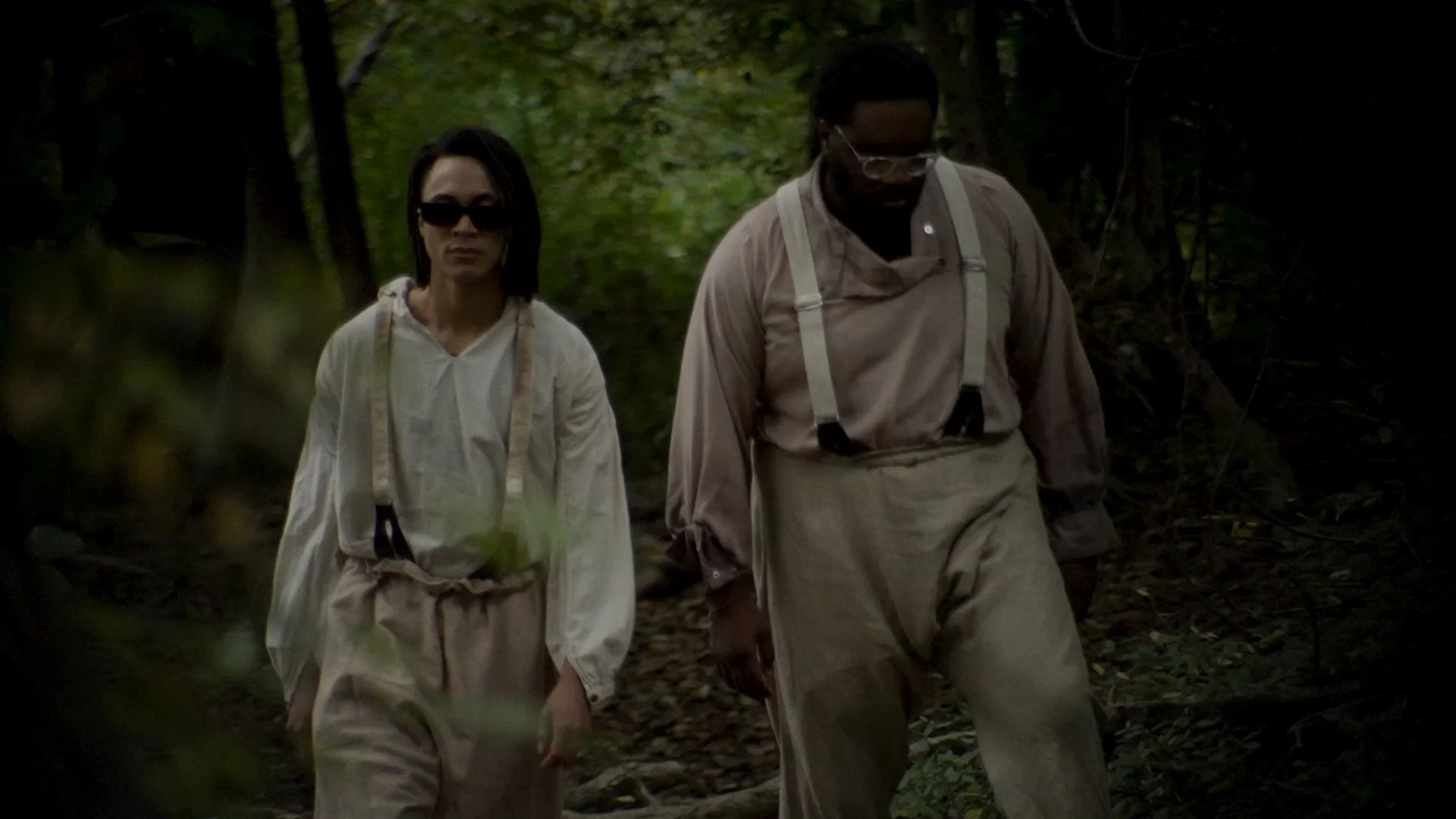
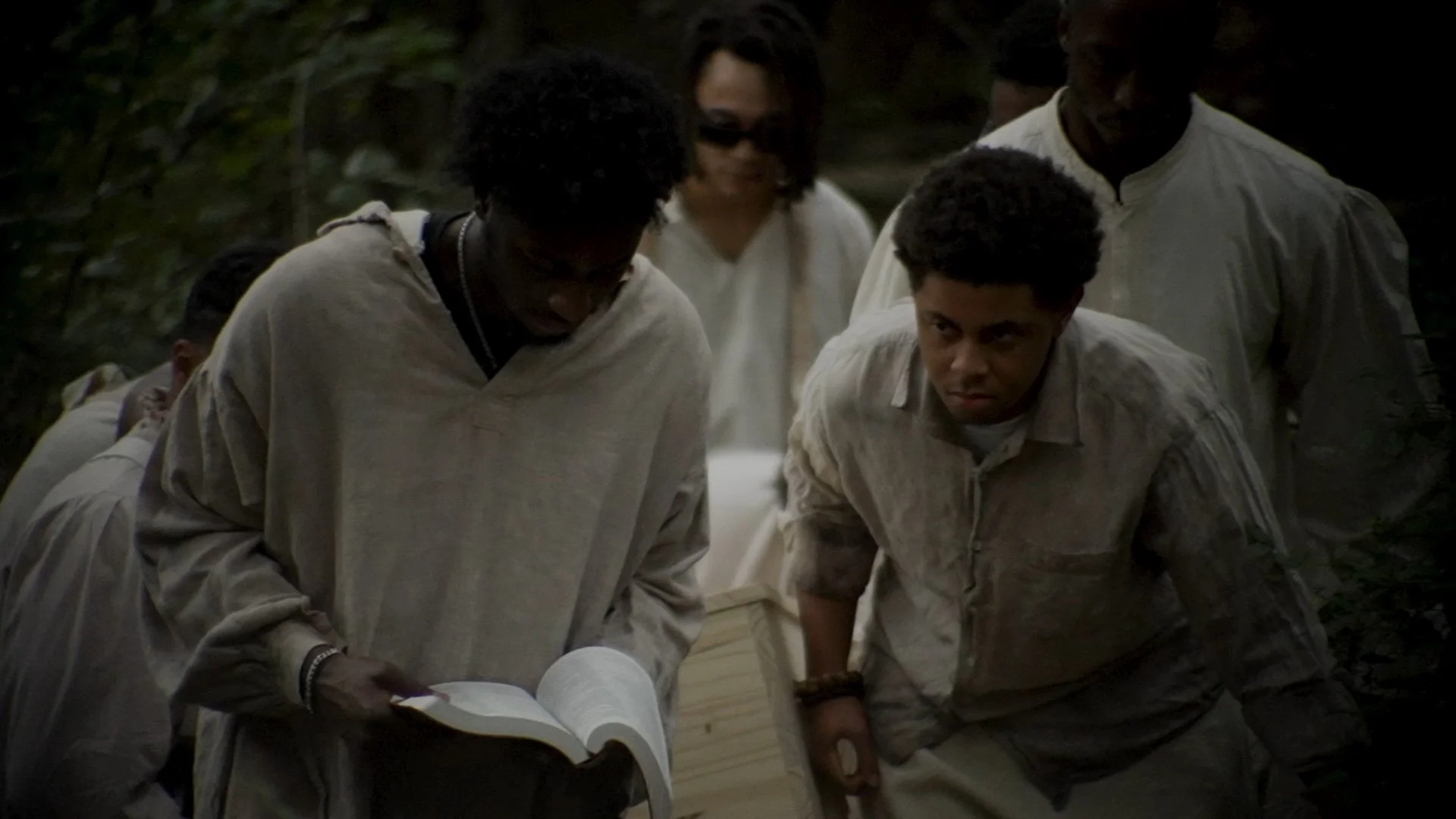
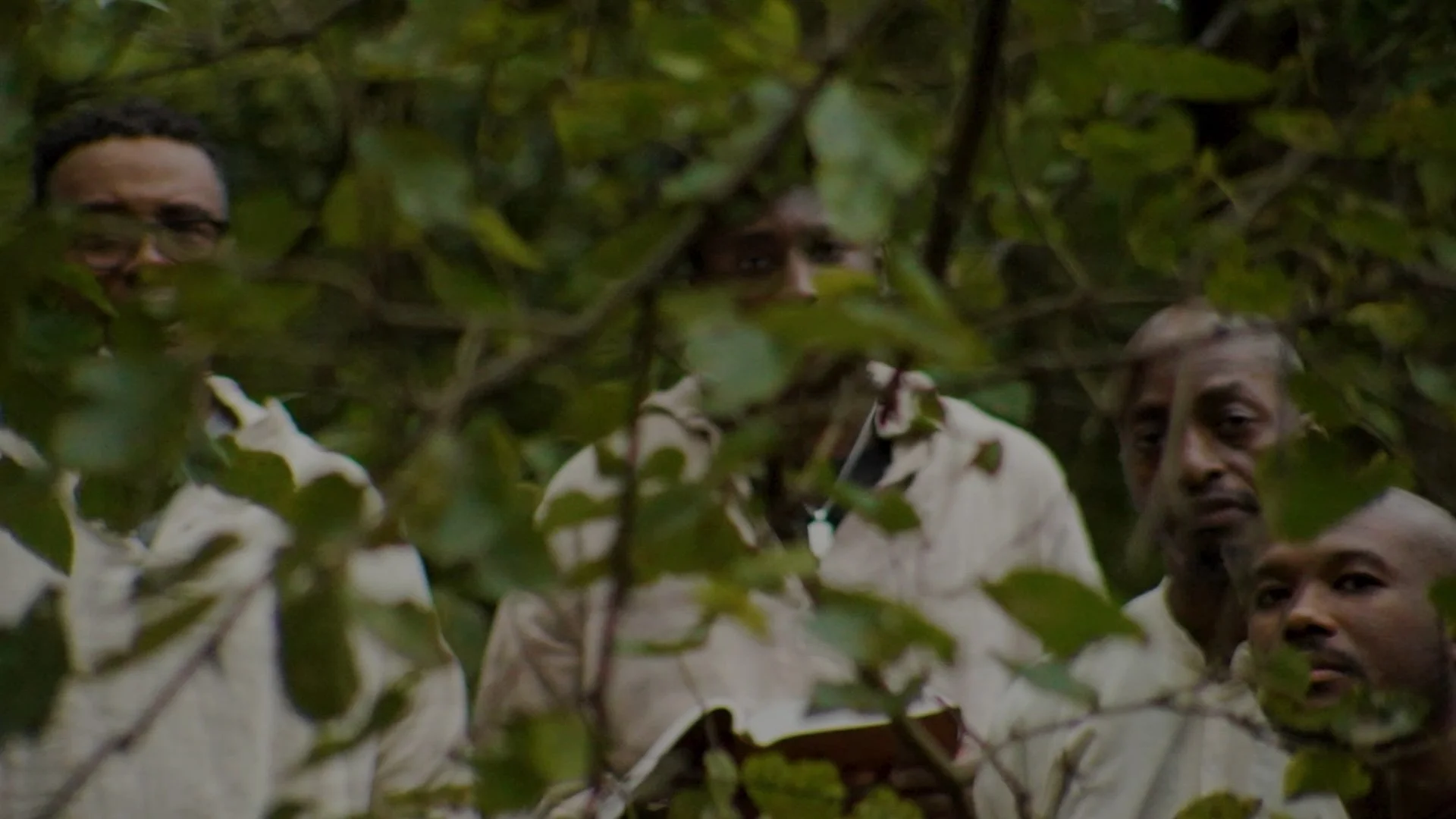
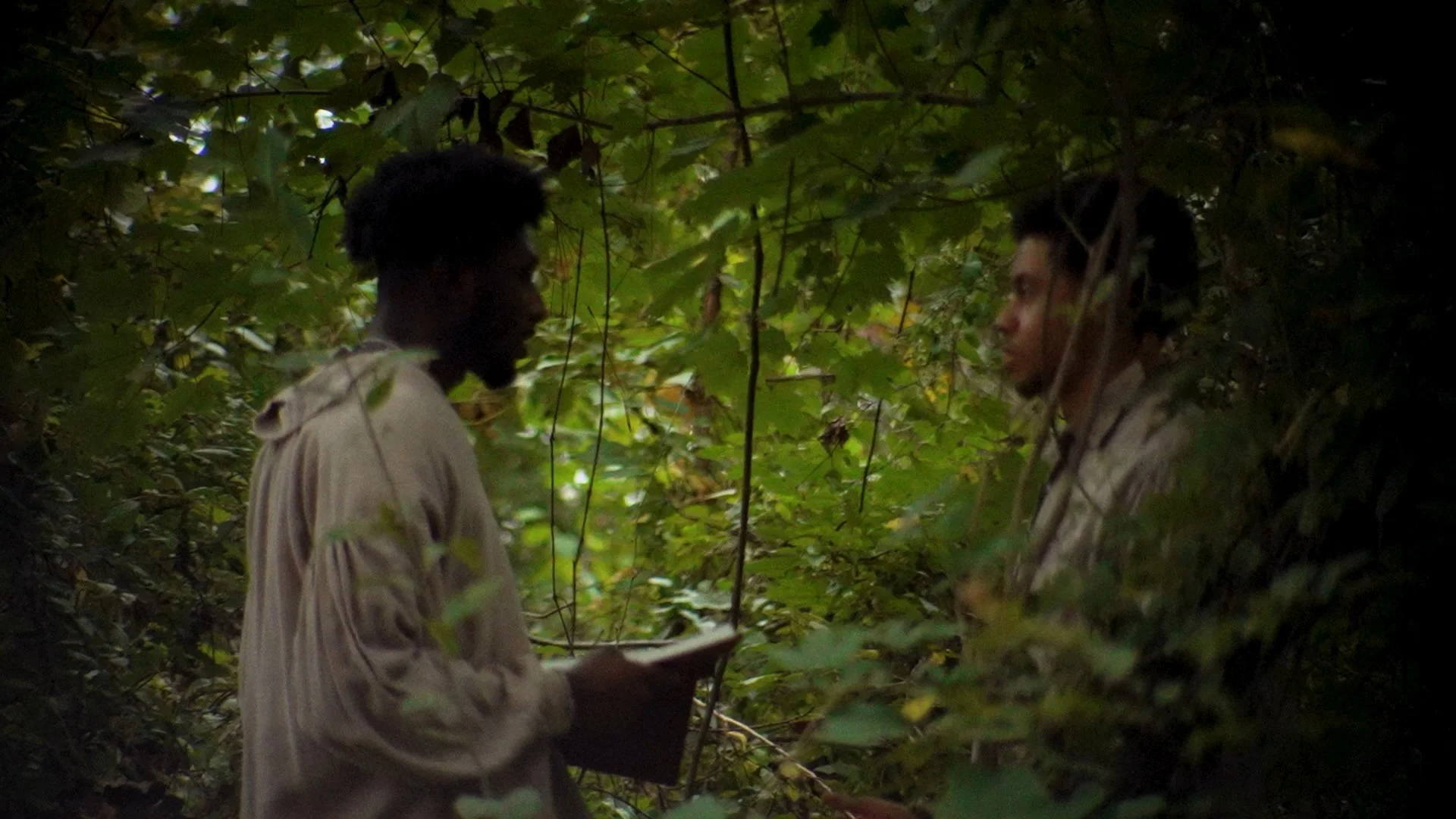
Cinematography by Kevin Everson
Igor Stravinsky - A Soldier’s Tale
MUSICIANS
Anna Presler, violin
Michel Taddei, double bass
Loren Mach, percussion
Omari Tau, baritone & narrator (guest artist)
Clayton Luckadoo, clarinet (guest artist)
Jamael Smith, bassoon (guest artist)
John Freeman, trumpet (guest artist)
Timothy Myers, trombone (guest artist)
Matilda Hofman, conductor
Meet the ARTISTS


-
David Dominique - Steam (2026)
Libretto by Joseph Tepperman and David Dominique
Cinematography by Kevin Jerome Everson
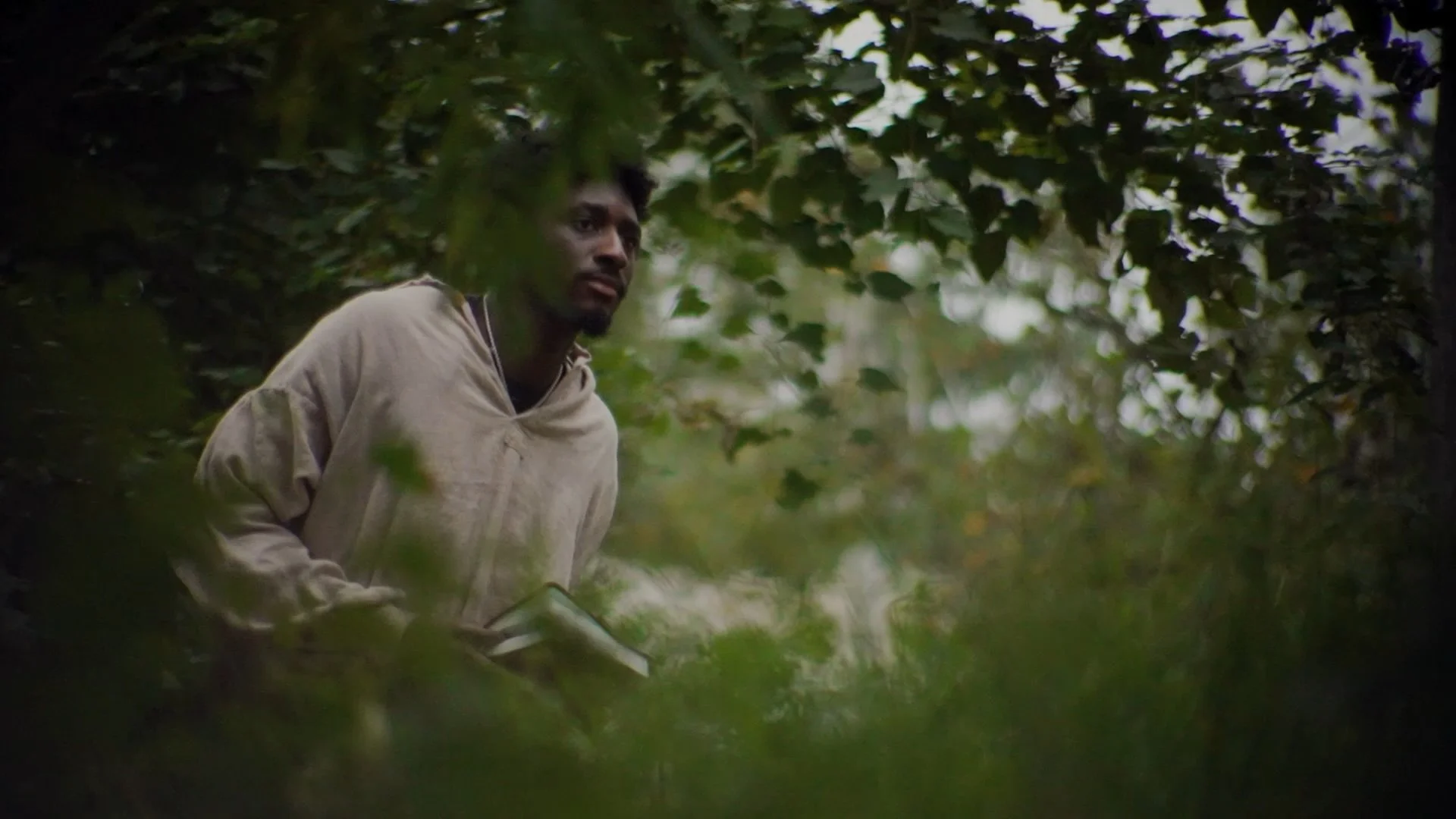
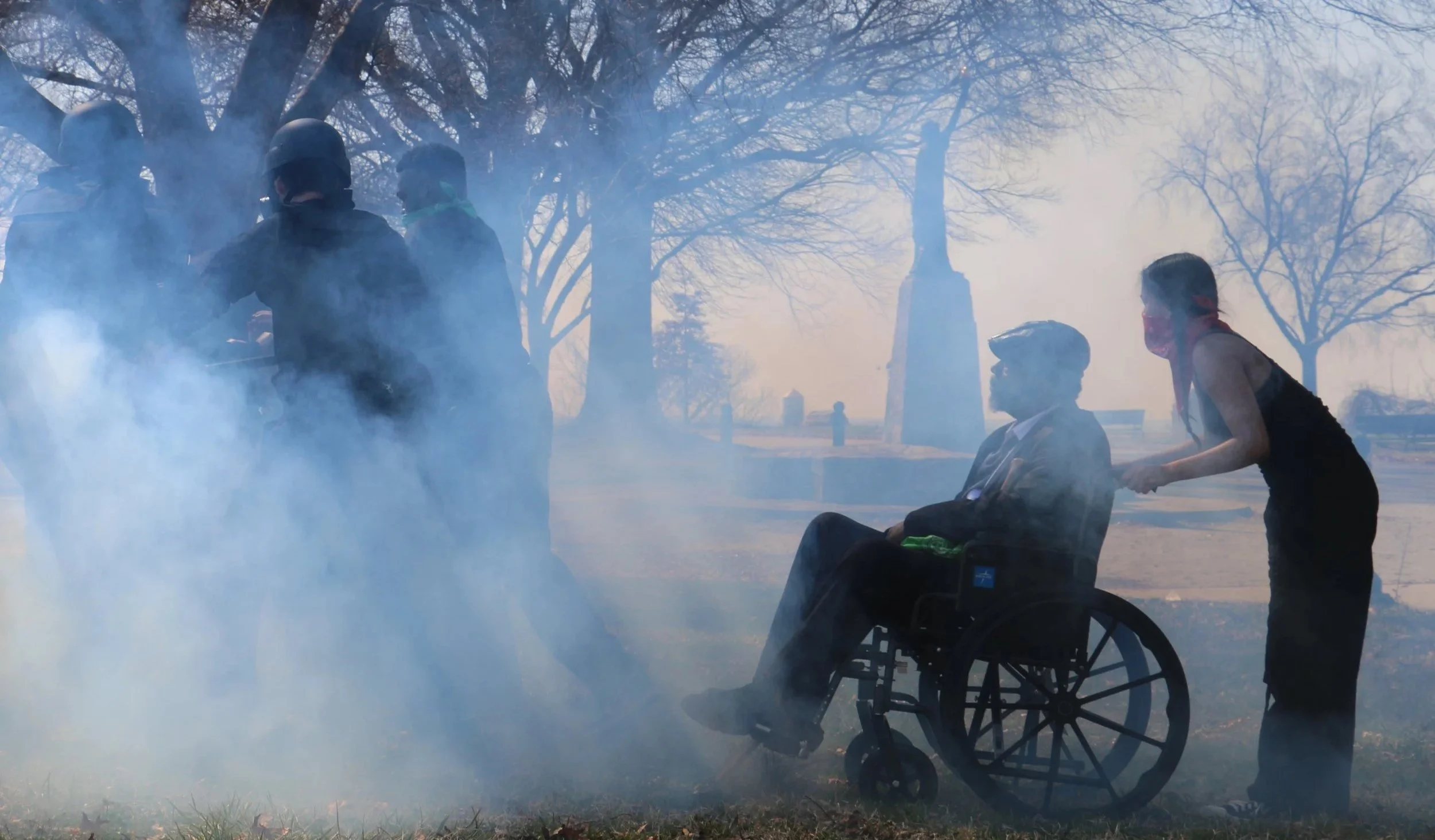
Steam is a constellation of multimedia works—with fragments that break off from it, preludes, afterlives, internet easter eggs—in which the retelling of slavery becomes a site of rupture, distortion, and risk.
Set in a speculative present, the work follows contemporary figures who attempt to adapt Arna Bontemps’ Black Thunder, a novel of slave rebellion, only to encounter the limits—and violences—of narrative itself: aesthetic failure, ethical collapse, commercial extraction, political capture.
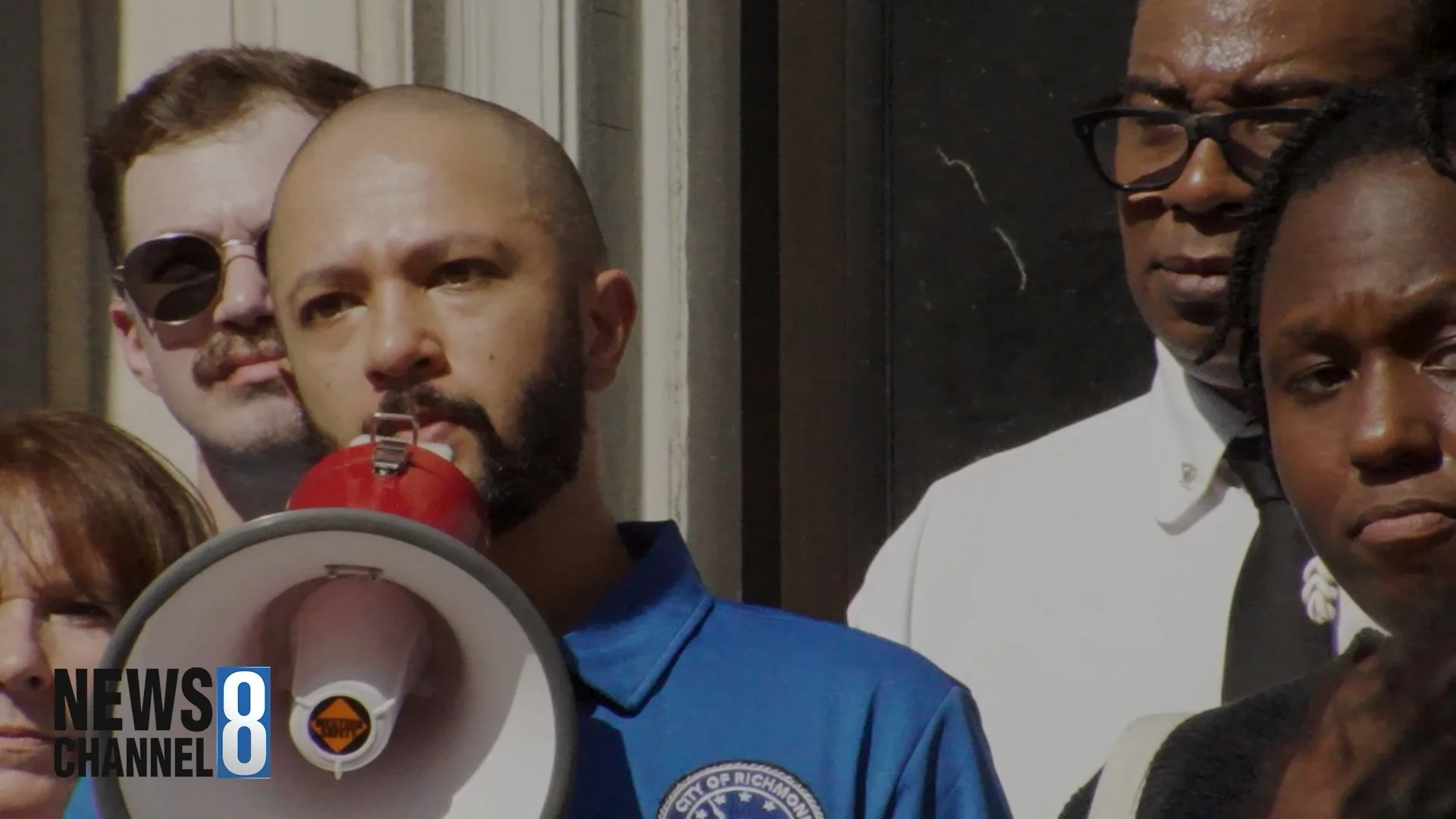
In the world of Steam, an impostor has stolen the identity of Bontemps, claiming the original faked his death in the early 1970s. Buying into this cloud of confusion, a sphere of activists in Richmond, Virginia has become unsettled by the impostor’s claims. They rally against a new museum proposed by the newly elected Mayor of Richmond, which is programmed to feature exhibits they believe are apocryphal.
In Volume 1, one of these activists enters into collaboration with a chamber ensemble to inaugurate the opening of the museum. But his lived experience undermines the activist-actor’s ability to follow through with this commission, and chaos ensues.
Where other works reconstruct, Steam corrodes, exposing the friction of reenacting histories of slavery. It traces the distortions produced by pressing contested memories into performance.
— David Dominique
Igor Stravinsky - A Soldier’s Tale
Libretto by Charles-Ferdinand Ramuz
Igor Stravinsky (1882–1971) was one of the most influential composers of the twentieth century. Stravinsky’s musical output is often divided into three creative periods: the Russian, neoclassical, and serial periods. A Soldier’s Tale is among the most compelling of the Russian period, influenced by Stravinsky’s keen interest in traditional Russian folk storytelling. Stravinsky composed A Soldier’s Tale at the end of World War I, writing the music for a small, economical ensemble in hopes that it would be performed widely and that its message, emphasizing the importance of contentment with one’s life, would reach vast audiences in the aftermath of the war.
Based on a Russian folktale, A Soldier’s Tale follows Joseph, a soldier whose reckless pursuit of wealth leads him down a winding path toward self-destruction. On his journey home from the war, Joseph takes a moment to rest and play his violin, only to encounter the Devil, disguised as an elderly man. The Devil convinces Joseph to trade his violin for a book that, with the ability to tell the future, guarantees unimaginable wealth. Returning home to find that three years have passed in what seemed to be three days, Joseph discovers that his old life and all those he loves appear to have left him behind. Joseph encounters the Devil again, disguised as a peddler, and recovers his violin; discovering he can no longer play, though, he throws the instrument away in frustration and destroys the book.
Continuing to travel on his journey, Joseph learns that the king’s daughter is ill, and that whoever returns her to health will be awarded her hand in marriage. Joseph parts with his wealth once and for all and, in doing so, regains his ability to play the violin. His virtuosic playing restores the princess to health; however, before Joseph and the princess can begin their new life together, the Devil issues a final warning:
You must not seek to add
To what you have, what you once had;
You have no right to share
What you are with what you were.
No one can have it all:
That is forbidden;
You must learn to choose between.
One happy thing is every happy thing;
Two, is as if they had never been.Joseph does not heed this warning, and the Devil’s influence overtakes him again, separating him from the princess and sending him once again down a ruinous path. The music, once rich with instrumental interplay and influences of tango, waltz, march, and ragtime, ends sparsely and simply with percussion alone — a retreating skeleton of what had once been.
— Emily Thomas
-
-
-
>> VACCINATION & MASK POLICY
Proof of COVID-19 vaccination and masking are no longer required at these venues.
Image credit: Copyright Sally K. Smith, used by permission of Artist. The banner image is a detail of Burn Rate 18 (Chicago Stock Exchange Elevator Door), Oil and charcoal (made from US dollars).
Saturday, June 6, 2026, 7:30 PM
Ruth Williams Opera House
4705 3rd Street
San Francisco, CA 94124
Sunday, June 7, 2026, 3:00 PM
Ruth Williams Opera House
4705 3rd Street
San Francisco, CA 94124